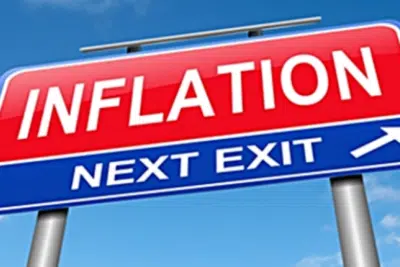
Silent Inflation and Stagnant Wages

The economy of Belarus is shaped by state control, political loyalty, and external dependency. Unlike market-driven systems, economic activity in Belarus operates within a framework where government intervention, state-owned enterprises, and political considerations dominate decision-making. This category examines how economic structures function under authoritarian rule and how economic policy affects both national stability and daily life.
Understanding Belarus’s economy requires looking beyond headline indicators. Official statistics often obscure inefficiencies, informal practices, and social costs. Economic decisions are deeply intertwined with political power, making the economy a key instrument of control as well as a source of vulnerability.
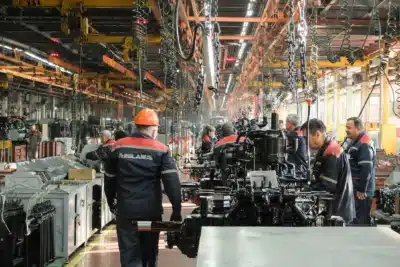
A significant portion of Belarus’s economy remains under state ownership. Major industries, including manufacturing, energy, agriculture, and transportation, are controlled by the government. These enterprises serve not only economic purposes but also political ones, providing employment stability in exchange for loyalty.
While state ownership offers short-term control, it limits innovation, competitiveness, and productivity. Many enterprises rely on subsidies and preferential treatment, creating structural inefficiencies that persist over time.
Employment in Belarus is closely tied to state policy. Labor contracts, workplace surveillance, and political pressure affect job security. Participation in protests or dissent can result in dismissal or blacklisting, turning employment into a tool of coercion.
Wages often lag behind regional standards, contributing to emigration and labor shortages. Informal employment and underemployment further complicate economic realities for workers.
International sanctions have become a defining factor in Belarus’s economic trajectory. Restrictions on exports, financial transactions, and access to international markets affect key industries and limit foreign investment.
This category analyzes how sanctions reshape trade patterns, incentivize alternative markets, and increase dependence on select partners. It also examines debates around effectiveness, enforcement, and humanitarian impact.
Belarus’s economy relies heavily on external trade, particularly in energy and industrial goods. Energy imports and re-exports play a central role in state revenue, while trade relationships reflect geopolitical alignments.
Dependency on limited partners reduces economic resilience and exposes the country to external shocks and political leverage.
Economic instability manifests in inflation, currency pressure, and rising consumer prices. These factors directly affect household budgets and purchasing power. State controls may temporarily mask price increases but often create shortages and distort markets.
Monitoring living standards provides insight into the social consequences of economic policy and repression.
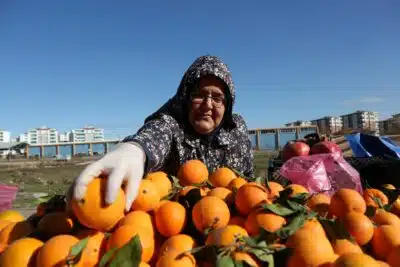
Corruption and patronage networks are embedded within economic structures. Access to resources, contracts, and opportunities often depends on political loyalty rather than merit. Informal economies emerge as coping mechanisms for citizens navigating restrictions and shortages.
This category explores how corruption undermines efficiency and public trust.
Economic pressure contributes to migration, particularly among skilled professionals and young people. Brain drain weakens long-term growth while remittances become an important support mechanism for families.
Exile reshapes the economic landscape by removing talent and creating transnational economic networks.
The economy is not separate from politics in Belarus. It enforces compliance, rewards loyalty, and absorbs the costs of repression. Economic hardship shapes public sentiment, migration, and resistance potential.
This category provides analytical depth to understand how economic systems sustain authoritarian rule and where vulnerabilities exist.
Is Belarus a market economy?
No, it is largely state-controlled.
How do sanctions affect the economy?
They restrict trade, finance, and investment.
Are wages competitive regionally?
Generally lower than neighboring countries.
Is unemployment high?
Official rates are low, but underemployment exists.
Does corruption affect daily life?
Yes, access and opportunity are often politicized.
Why do people emigrate for economic reasons?
Low wages and limited prospects drive migration.
Is inflation a problem?
Yes, especially during periods of instability.
Can the economy reform under current conditions?
Structural reform is constrained by politics.
8 articles
Silent Inflation and Stagnant Wages

Brain Drain and Economic Collapse: Who Is Leaving Belarus?

Climate Change, Agriculture, and Small Cities in Belarus: Challenge and Opportunity
The economy that operates in the shadows: A look at the informal economy in Belarus

Impact of the War in Ukraine on the Belarusian Economy and Society
Belarus Human Rights Crisis 2025: The Silent Struggle Under Lukashenko’s Regime

Belarus Sanctions 2025: How International Pressure Shapes the Regime
Belarus Economy 2025: How Sanctions and Russian Dependence Shape the Future
 English